What Is an Apicoectomy?
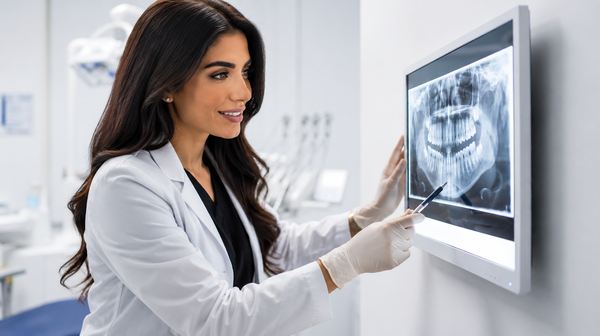
An apicoectomy is a specialized endodontic surgical procedure performed when infection or inflammation remains near the root tip of a tooth after root canal treatment.
During the procedure, the endodontist carefully accesses the affected area through the gum tissue, removes the infected tissue surrounding the root tip, and seals the end of the root to prevent future infection.
This procedure allows many patients to save teeth that might otherwise require extraction.
Why Would I Need an Apicoectomy?
An apicoectomy may be recommended when:
- Infection persists after root canal treatment
- A previously treated tooth is not healing properly
- Retreatment alone is unlikely to resolve the problem
- Complex root anatomy prevents conventional treatment
- A blockage or restoration prevents access through the crown
- A fracture or root-end defect is present
- Chronic inflammation exists around the root tip
In many cases, an apicoectomy is considered after a thorough evaluation of all available treatment options.
Signs You May Need Endodontic Surgery
You may be referred for an apicoectomy if you experience:
- Persistent discomfort after a root canal
- Swelling near a previously treated tooth
- Recurring gum tenderness
- A pimple-like bump on the gums
- Evidence of infection on dental X-rays
- Continued bone loss around the root tip
Some patients experience no symptoms at all and discover the problem during routine dental examinations.
What Happens During an Apicoectomy?
Comprehensive Evaluation
Treatment begins with a detailed examination and advanced imaging, often including 3D CBCT scans, to identify the source and extent of the problem.
Local Anesthesia and Patient Comfort
The area is completely numbed to ensure your comfort throughout the procedure.
Microsurgical Access
A small opening is made in the gum tissue near the affected tooth to access the root tip and surrounding bone.
Removal of Infection
The infected tissue and a small portion of the root tip are carefully removed.
Root-End Sealing
The end of the root canal is cleaned and sealed with a biocompatible material designed to prevent bacteria from re-entering the canal system.
Healing and Recovery
The surgical site is closed with small sutures and allowed to heal. Most patients return to normal activities quickly following treatment.
Why Save the Tooth Instead of Extracting It?
Whenever possible, preserving your natural tooth remains the ideal solution for long-term oral health.
Benefits of saving your tooth include:
- Maintaining natural chewing function
- Preserving jawbone structure
- Preventing shifting of neighboring teeth
- Avoiding more extensive restorative procedures
- Maintaining your natural smile
An apicoectomy often provides an opportunity to save a tooth that may otherwise be considered for extraction.
Why Choose Eastlake Endodontics?
Specialized Surgical Expertise
As endodontic specialists, Dr. Christian Lepure and Dr. Ghazaleh Rezaei have advanced training in both nonsurgical and microsurgical endodontic procedures.
State-of-the-Art Technology
Our office combines advanced imaging and surgical microscopy to improve precision and treatment outcomes.
Personalized Treatment Planning
Every case is unique. We carefully evaluate your condition and recommend treatment options based on your specific needs and long-term oral health goals.
Trusted by Referring Dentists
Dentists throughout Chula Vista and San Diego trust Eastlake Endodontics to manage complex endodontic cases requiring specialized surgical expertise.
Frequently Asked Questions
Is an apicoectomy painful?
Most patients report minimal discomfort during treatment due to modern anesthesia techniques. Mild soreness following surgery is common and typically manageable with recommended medications.
How long does recovery take?
Most patients return to normal daily activities within a few days. Complete healing of the surrounding bone occurs gradually over several months.
Is an apicoectomy better than extraction?
In many situations, preserving your natural tooth is preferable to extraction and replacement. During your consultation, we will discuss all available treatment options and recommendations.
What is the success rate of apicoectomy surgery?
Modern microsurgical techniques have significantly improved success rates. Outcomes vary depending on the condition of the tooth and surrounding structures, but many patients experience successful healing and long-term tooth preservation.
Schedule Your Consultation
If you've been told you may need endodontic surgery or are experiencing persistent symptoms after root canal treatment, Eastlake Endodontics is here to help.
Our experienced team provides advanced apicoectomy procedures focused on eliminating infection, promoting healing, and preserving your natural smile.
Call Eastlake Endodontics today at (619) 621-5000 to schedule your consultation.
Serving Patients Throughout:
- Chula Vista
- Eastlake
- Bonita
- Otay Ranch
- Coronado
- Greater San Diego
Related Services
 >
>